
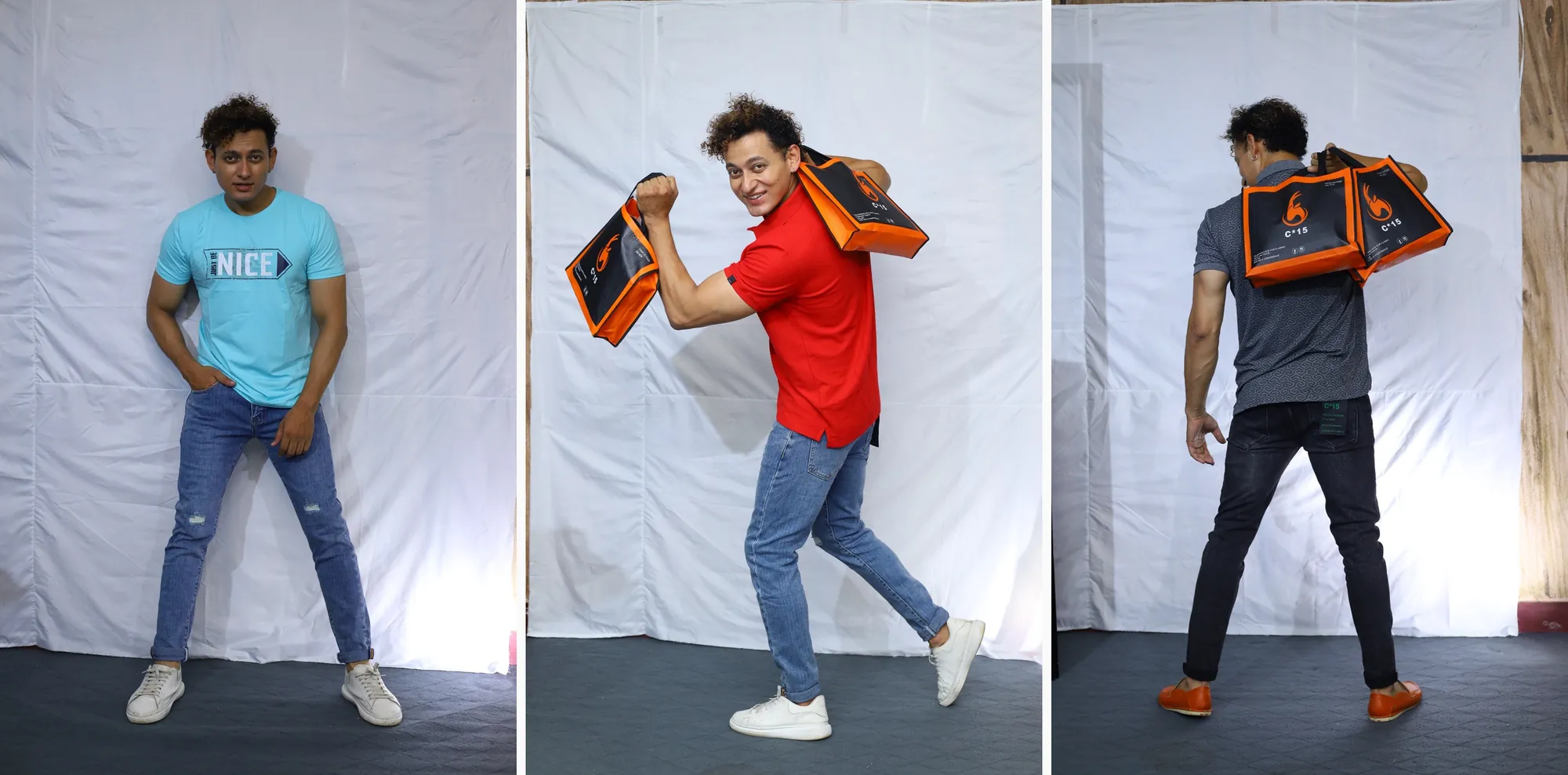
Dashain and Tihar are the two occasions when every Nepali man's wardrobe gets audited, by relatives, by photographs, and by the unforgiving group shot on the family courtyard. New clothes are part of the tradition itself: Dashain shopping is to Nepal what Eid shopping is to much of South Asia, and New Road fills accordingly every Ashwin. As a shop that lives through that rush yearly, here is our honest guide to festival dressing that survives tika, feasting, travel and fifteen family visits, and still looks good in the photos your aunt prints.
The two festivals ask for different clothes
Dashain, the longer festival, is built around family visits, tika and jamara from elders, and heavy meals, often with travel to the family home district. It's a daytime festival of courtyards and sitting cross-legged. Tihar is the festival of lights: evenings, deusi-bhailo rounds, candlelight and gold. Practically, that means Dashain dressing is daytime-smart and sit-down-proof, while Tihar dressing can lean darker, sharper and more evening.
The Dashain kit
The tika-day outfit
The main morning deserves the best fit, not the most fabric. A crisp solid shirt, white, cream or light blue, over dark chinos or new dark jeans is the modern standard; a kurta or daura for traditional households. Three practical rules the fashion guides skip:
- Tika falls. Red powder and yogurt find their way onto collars every single year. Patterned or coloured collars forgive; pure white on the collar line is brave.
- You will sit on the floor. Cross-legged, repeatedly, for hours. This is the day for the C-15 Taper or Relaxed, not your tightest slim fit, the squat test we describe in the fit guide becomes extremely real at your eldest uncle's house.
- You will eat. Enormously. A waistband with one finger of ease at ten a.m. is a waistband that still closes at four p.m.
The visiting-days rotation
Dashain is a marathon of near-identical days, and every day gets photographed. The efficient answer is a small rotation that remixes: two shirts, one polo, one kurta, two trousers, one light jacket. Six visible outfits from six pieces. Dark bottoms hide travel; layers handle the October mornings-warm-afternoons swing.
The Tihar kit
Evenings, diyo light and marigold garlands flatter darker, richer clothing. This is when deep indigo denim, black or forest-green shirts and that one good jacket earn their place. Gold-adjacent accents, a brass-buckle belt, a tan watch strap, pick up the festival's palette without trying hard. If you join deusi-bhailo rounds, you'll be walking and singing for hours: comfortable shoes are not optional, and a layered jacket beats a heavy one because houses are warm and lanes are cold.
Bhai tika and the family photo
Bhai tika seats you next to your siblings in the year's most-reprinted photograph. Coordinate loosely, not identically, if your brothers are in light shirts, a mid-tone works better than joining the white wall or fighting it in neon. Solid colours photograph better than logos and busy prints in the marigold-and-tika riot of colour that already fills the frame.
Buying new clothes without wasting the budget
Tradition says new clothes; nobody said disposable clothes. The Dashain budget goes furthest when the "festival" purchase is really a wardrobe purchase: the dark jean, the good shirt and the belt you buy in Ashwin should be the pieces anchoring your work wardrobe until next Dashain. Buy the festival flash, the bright kurta, the party shirt, cheap if you must, but buy the base well. That's the quiet logic behind our festival stock: it's the permanent line, refreshed, not a separate glitter rail.
Kids, elders and the family bulk run
Dashain shopping is rarely for one person, the tradition covers the household, and the New Road trip usually ends with bags for three generations. Two pieces of hard-won advice from our counter. First, buy the elders' clothes early: the classic cuts and modest colours older relatives prefer sell through fastest in the pre-festival fortnight, while youth sizes restock continuously. Second, for children growing between festivals, buy the festival outfit true to size and the "wardrobe" pieces half a size up; the photos need the fit today, the school year needs the room tomorrow.
Travelling home for the festival
If Dashain means a bus or flight to the home district, pack for ceremony and terrain both. The tika outfit travels folded in a carrier bag on top, never crushed at the bottom of a duffel. Add one warm layer more than Kathmandu needs, hill districts run colder at night than valley dwellers remember, and shoes that survive village lanes, because polished city leather and monsoon-softened mud are old enemies. A compact clothes brush earns its place in the bag: dust is the festival's third colour after red and gold.
The checklist
- Tika-day outfit set aside and ironed two days early (the iron queue on the morning itself is real).
- One pair of trousers that passes the cross-legged test.
- Two shirts you'd also wear to work after the festival.
- Shoes brushed, and a backup pair dry in monsoon-tail years.
- One layer for October evenings and bike rides between houses.
- The traditional piece, topi, kurta or daura, if your household wears one: checked for fit before the morning, not during it.
One final note on timing: the best festival wardrobe is bought in the first week of the shopping rush, altered in the second, and hanging ready in the third. The men who shop the day before tika choose from broken size runs and pay the same money for less choice. Put the shop trip in the calendar the way the flights and bus tickets already are.
Dashain and Tihar shopping is our favourite season on New Road, the whole street dresses up with you. Come early in Ashwin for the full size runs, and read our heritage guide if this is the year you add a traditional piece properly.
References & further reading
- Dashain (Wikipedia)
- Tihar festival (Wikipedia)
- Bhai Tika, Tihar traditions (Wikipedia)
- Dhaka topi (Wikipedia)
Come try it in person. Everything in this guide is on the rail at Shop B2, Ranjana Mall, New Road, Kathmandu, open daily 10:00 AM – 7:00 PM. Directions and contact.