
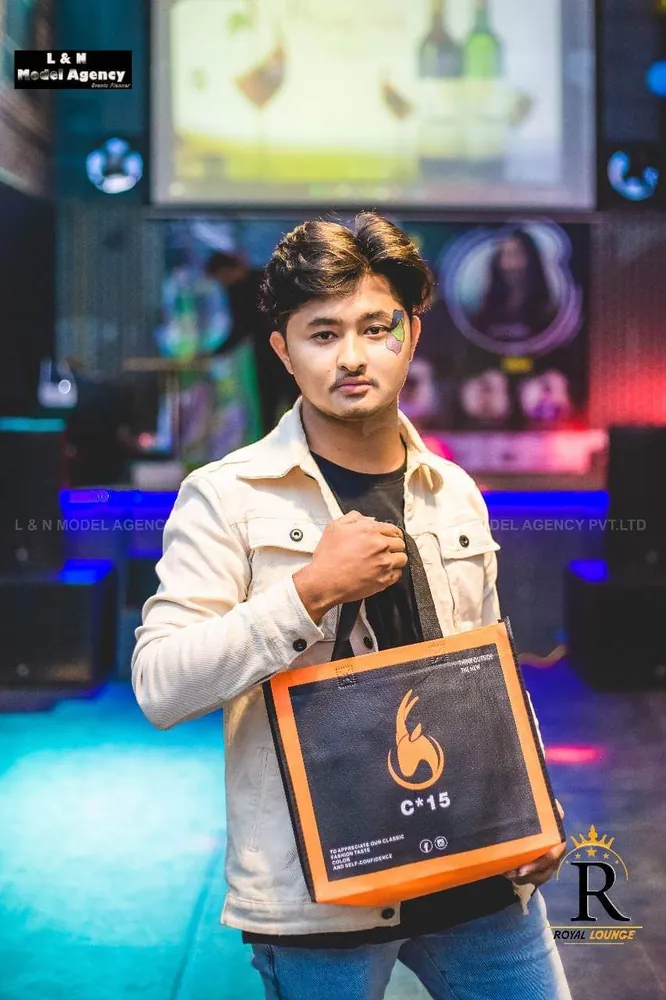
A Nepali wedding is not one event; it's a season. Between the engagement, the swayamvar, the main ceremony, the reception and the increasingly common "pre-wedding" functions, a single wedding can demand four different outfits, and wedding season (roughly the auspicious months either side of winter) can throw five weddings at your calendar in six weeks. Here's the guest's guide we give customers who walk in holding an invitation card and a worried expression.
First, decode the invitation
The card tells you most of what you need: venue and time are dress codes in disguise. A daytime ceremony at home or a temple means traditional-leaning, comfortable, shoes-off-friendly clothing. A evening reception at a party palace or hotel means the sharpest thing you own. A destination or "theme" function (increasingly common in Kathmandu) means read the family's Instagram, honestly. When genuinely unsure, ask a cousin, arriving one notch over-dressed is recoverable; arriving in jeans to a formal reception is a story people keep.
The four-event wardrobe
The ceremony (daytime, often religious)
You may sit for hours and remove your shoes repeatedly. Smart but soft: a kurta or a relaxed shirt with dark chinos, and socks without holes, they will be seen. Avoid black head-to-toe at religious ceremonies; it reads sombre in a context built around auspicious colour. Cream, light blue, sage and warm neutrals sit well beside the red-and-gold the families will be wearing.
The reception (evening, the main show)
This is suit territory, or at minimum blazer territory. A well-fitted grey or navy suit with an open collar is the modern Kathmandu standard; add a tie only if the hosts' family skews formal. The floor will be crowded with photographers: matte fabrics, fitted shoulders and trousers with a clean break photograph ten times better than shiny oversized formals. If the invitation says "festive," a deep-coloured kurta with a waistcoat holds its own beside any suit.
The pre-functions (mehendi-style events, musical evenings)
Colour is welcome here and stiffness is not. A patterned shirt or coloured kurta, comfortable trousers, shoes you can dance in. This is the one wedding event where the print shirt outranks the formal one.
The groom's-friend duty days
If you're in the janti, the groom's procession, you'll be outdoors, possibly dancing behind a band, possibly for kilometres. Layers, comfortable shoes, and nothing you'd mourn if it met dust, rain or sweat. The janti is legendarily unkind to suede.
The colour rules, briefly
- Never compete with the couple. Heavy red is the bride's; elaborate cream-and-gold sherwani territory is the groom's. Everything else is open.
- Daylight likes light; evening likes depth. Cream, sky and sage before sunset; navy, charcoal, forest and black after.
- One statement per outfit. A bold kurta, or a bold pocket square, or gold-toned accessories, pick one and quiet the rest, the same rule that governs colour matching generally.
Wedding season economics
Five weddings do not need five outfits; they need one good suit, two shirts, one kurta set and rotation discipline. Different shirt, different pocket square and the "same" suit becomes three outfits across three receptions, nobody at wedding two remembers wedding one's photos that precisely. Spend the budget on fit and fabric of the anchor pieces rather than breadth; a Rs. 8,000 suit tailored to your shoulders beats a Rs. 20,000 one hanging off them, in person and in every album.
Suit separates, jacket and trouser sized independently, are the practical Kathmandu answer to the fact that few of us are catalogue-proportioned; that's why we sell them as pieces. Groomsmen groups and family bulk orders get wholesale terms through business orders, which is worth knowing before five brothers buy five suits separately at retail.
Grooming, gifts and the small etiquette
The outfit is half the impression; the finish is the rest. A haircut in the wedding week (not the wedding morning, give a bad cut time to settle), a clean shave or deliberately shaped beard, and nails that survive the close-up of handing over the envelope. Cologne belongs at one spray in a crowded, marigold-scented hall. On gifts: the envelope amount is a family-relationship question no shop can answer, but the envelope itself should not be borrowed at the door, keep a few in the same drawer as your pocket squares and you will never arrive unprepared. And the oldest etiquette of all: be on time for the ceremony, fashionably flexible for the reception, and never later than the food.
Renting versus buying, decided honestly
For a one-off destination function, rental formalwear can make sense. For Kathmandu wedding seasons, the arithmetic almost always favours owning: a rented suit costs a meaningful fraction of a bought one, fits nobody in particular, and returns nothing to your wardrobe. The bought suit, especially separates fitted to you, amortises across every reception, interview, office function and Tihar evening for years. Rent the costume; own the uniform.
The night-before checklist
- Suit or kurta pressed and hung, party palaces have no iron to lend you.
- Shoes polished; socks checked for the shoes-off events.
- Gift or envelope ready so you're not solving it in the car.
- Layer for the venue's open courtyard after dark, October through February.
- Phone charged: you will be somebody's photographer.
And a word on comfort, the forgotten metric: receptions run four hours on your feet, ceremonies run longer cross-legged, and the janti can run kilometres. Whatever you wear, wear it once at home for an evening first. A wedding is the wrong place to discover a heel that bites or a collar that itches, and the photographs keep that discovery forever.
Wedding invitations tend to arrive in clusters, when yours do, bring the dates to the shop and we'll build the rotation across them so you're dressed differently at every event without buying five of everything.
References & further reading
- Marriage in Nepal (Wikipedia)
- Hindu wedding traditions (Wikipedia)
- GQ Style, occasion dressing coverage
Come try it in person. Everything in this guide is on the rail at Shop B2, Ranjana Mall, New Road, Kathmandu, open daily 10:00 AM – 7:00 PM. Directions and contact.