
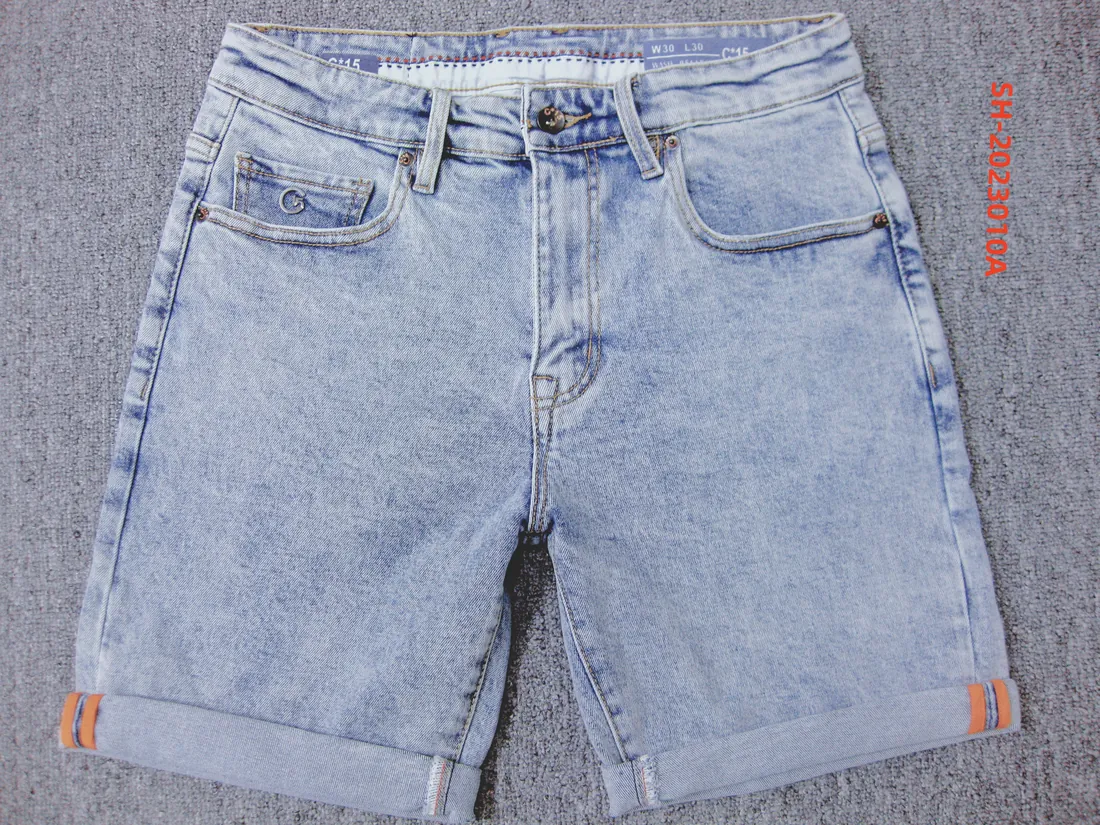
A good pair of jeans should outlast four cheap ones, but whether it does is mostly decided in the washing, not the wearing. Denim is tough against abrasion and weak against heat, harsh detergent and over-washing. These are the five habits we teach every customer who buys a pair of C-15s, tuned for Nepali water, weather and monsoon humidity, plus the raw-denim rules and the repair schedule that keep a favourite pair alive past its fifth year.
Why denim dies early
Indigo dye sits on the surface of the cotton yarn rather than soaking through it, that's what makes fades possible, and it's also why every wash costs colour. Meanwhile hot water and tumble-drying shrink and stiffen the cotton, and cook the elastane out of stretch blends. Most jeans don't wear out; they get washed out. Understand that, and every rule below follows logically.
1. Wash less than you think
Denim doesn't need washing after every wear; it needs airing. Hang jeans inside-out overnight near an open window and they reset. Wash only when they're actually dirty or smell, for most men that's every eight to ten wears. Spot-clean small marks with a damp cloth and a drop of soap instead of committing the whole pair to the machine. Every unnecessary wash spends colour and cotton you can't get back.
2. Cold water, inside out, gentle
When wash day comes: turn them inside out, close the zip and button so hardware doesn't chew fabric, and wash cold on the gentle cycle, or by hand in a bucket, which is genuinely the best method and conveniently the most common one in Nepal. Use little detergent, skip fabric softener (it coats the fibres), and never bleach. Hot water is how a crisp 14 oz jean becomes a limp, faded 12 oz jean in one season.
3. Never the dryer, never full sun
Tumble-drying is the single most destructive thing that happens to jeans: heat shrinks the cotton, sets wrinkles, and kills stretch. Hang them by the waistband and drip-dry in shade, full Kathmandu sun bleaches indigo unevenly and stiffens the hand-feel. In monsoon weeks when nothing dries, point a fan at them; don't iron wet denim, which glazes the surface.
4. Raw denim: wait, then baptise
If you bought raw, unwashed denim like the C-15 Slim in Raw Indigo, the rules change. Wear it for months before the first wash, three to six if you can stand it, because that's how the fabric moulds to your body and develops whisker and honeycomb fades that are yours alone. When the day comes: bathtub or bucket, cold water, inside out, minimal agitation, shade-dry. The water will run blue; that's surface dye leaving on schedule, not damage. Expect the jean to feel tight for an hour after drying and then settle back to your shape. For the full raw-versus-washed decision, read our denim explainer.
5. Repair early, repair cheap
Denim failure is progressive. A loose hem thread, slight crotch wear or a rivet pulling loose costs pennies to fix the week it appears, and a whole jean six months later, when the small fray has become a blowout. Check three points every couple of months: the crotch seam, the back-pocket corners, and the hems. Bring C-15 pairs back to the shop; small repairs are usually same-day while you browse. A patched jean, done well, is not a downgrade, in denim culture it's a service record.
Monsoon-specific denim survival
- Rotate two pairs. Denim that never fully dries breeds mildew smell. Alternate days, and let each pair rest dry.
- Cuff, don't drag. A single clean cuff in flooded-lane season saves hems from the grinding that street water and grit deliver.
- Dry before you fold. Folding even slightly damp jeans into a cupboard is how the smell starts. Bone dry, then folded, always.
- Air after rain. Caught in a downpour? Rinse in plain cold water (city rain carries dust and exhaust), then shade-dry. Don't let dirty rainwater dry into the fabric.
Stretch denim needs its own rules
Blended stretch denim, anything with elastane, including most slim fits sold in Nepal, is more fragile than pure cotton denim in exactly one way: heat. The elastic fibres that give stretch its comfort lose their snap permanently when tumble-dried or ironed hot, which is why a year-old stretch jean often bags at the knees no matter how it's washed. Keep every rule above, but be doubly strict about shade-drying, and iron (if you must) inside-out on low with the steam doing the work. When a stretch jean does start bagging, a cold wash and flat drying recovers some of it; a hot one finishes it off.
What fading is normal, and what is damage
Even whiskers at the hips, honeycombs behind the knees and a gentle allover lightening are earned character, the jean recording its owner. Blotchy pale patches, a white line down each thigh crease, or orange-tinged streaks are wash damage: too much sun, too much detergent, or drying folded over a line. The difference matters when deciding whether a pair is ageing or dying. Earned fade with intact fabric is worth repairing indefinitely; wash damage on thinning fabric means the cotton itself is going, and the money is better spent forward.
The storage details nobody mentions
Fold jeans rather than hanging them by clips, which bite permanent marks into the waistband. Keep them away from direct sunlight in the cupboard, indigo fades on the shelf too. And empty the pockets: a forgotten pen or key ground into the same pocket corner for a month wears a hole from the inside.
The one-line version
Air often, wash rarely, always cold, never tumble, repair early. Do that and the jeans you buy this year will still be the jeans you reach for in 2030. Not sure your current pair is worth saving? Bring it in, we'll tell you honestly, and if it's time, the replacement is on the rail.
References & further reading
Come try it in person. Everything in this guide is on the rail at Shop B2, Ranjana Mall, New Road, Kathmandu, open daily 10:00 AM – 7:00 PM. Directions and contact.