
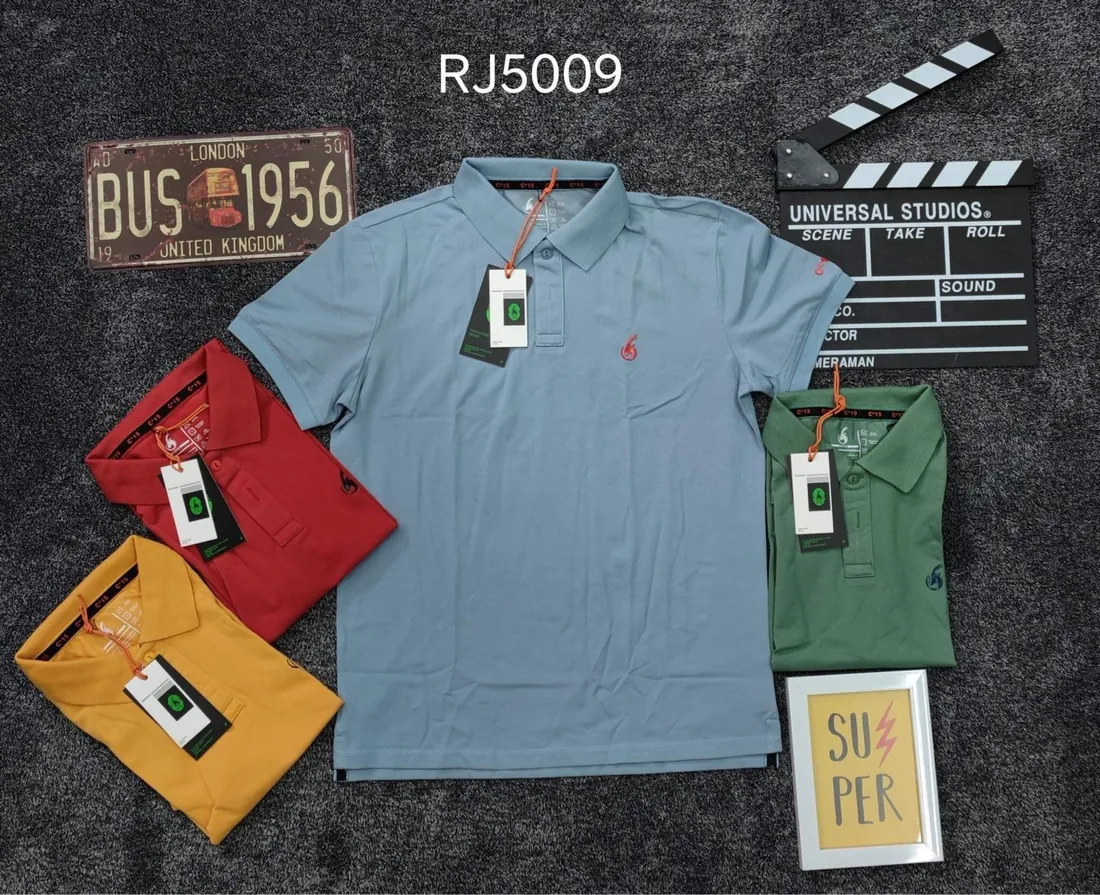
Ask a well-dressed man his secret and he'll talk about fit. Watch him, though, and half the trick is colour: nothing he wears argues with anything else. Colour matching in menswear is far simpler than the internet's colour-wheel diagrams suggest, it runs on about six rules, learnable in one reading, and Kathmandu's light and dust add two local footnotes worth knowing. Here is the whole system, counter-tested.
Rule 1: Build on neutrals
Navy, white, grey, black, olive, tan and denim-blue are the menswear neutrals, colours that pair with each other in any combination without thought. An outfit built entirely from neutrals cannot clash; this is why the capsule wardrobe lives in them. If dressing well felt hard this morning, the diagnosis is usually a wardrobe short on neutrals, not a man short on taste.
Rule 2: One statement per outfit
A bright polo, a bold print, a coloured sneaker, a Dhaka accent, any of these works when it's the only loud element in the frame. Two statements compete; three argue in public. The discipline: choose the hero before you dress, then quiet everything else around it. This single rule upgrades more outfits than any purchase can.
Rule 3: Match depth, not just hue
Colours have volume as well as name. A washed-out pastel shirt over deep charcoal trousers feels off not because blue and grey clash, they don't, but because the depths clash: one whispers while the other is baritone. Pair deep with deep (indigo jean, forest shirt, dark leather) and light with light (stone chino, sky shirt, white sneaker), or bridge them deliberately with a mid-tone layer. Squint at the mirror: if one garment vanishes and another shouts, the depths are unbalanced.
Rule 4: Leather agrees with leather
Belt and shoes in the same family, brown with brown, black with black, remains the quiet handshake of considered dressing. Extend it gently to watch straps and bag hardware if you like precision; brass and gold hardware lean warm and prefer browns and tans, which is why the brass-buckled belt comes in both. The rule bends on sneaker days; it never bends under a suit.
Rule 5: Let denim be the anchor
Denim blue is menswear's most forgiving colour, a mid or deep indigo jean sits under literally every colour above it, which is why jeans anchor this shop and most wardrobes. The practical use: when experimenting with a new colour up top, wear it over denim first. If it can't survive over jeans, it can't survive at all. Deep indigo also flatters every Nepali skin tone we've ever dressed, which cannot be said of every fashionable colour that visits the market.
Rule 6: Know your undertone, roughly
Skin undertone science can spiral; the useful version is one test. Hold a white shirt and a cream shirt under your chin in daylight: whichever makes your face look healthier is your team. Cream-team men (warm undertones, most of us in Nepal) glow in olive, tan, rust, warm navy and cream itself. White-team men (cooler undertones) sharpen in true white, cool greys, burgundy and saturated blue. Neither team is barred from any colour, this only decides which shade of it sits next to your face.
The Kathmandu footnotes
- Dust argues with black. The valley's dust films visibly onto pure black within a day outdoors. Charcoal, deep navy and dark olive deliver the same seriousness and hide the city better. Save the true blacks for evenings and winter.
- Strong sun bleaches loud colours fast. High-altitude light fades cheap brights in one season. Buy loud colours rarely and well, or accept them as one-season guests, and dry everything in shade, as the care guide insists.
Black, white and the non-colours
A quick word on the extremes, because they behave differently. All-black works as a deliberate uniform, evening-leaning, slimming, and dust-vulnerable here as noted, but black near the face hardens most warm undertones; if all-black loves your wallet more than your reflection, swap the top layer to charcoal and watch the difference. All-white is summer's power move and monsoon's hostage; time it to the dry months. And white sneakers with everything remains the single most reliable colour decision in modern menswear, a rule so safe it barely counts as advice anymore.
Mixing patterns without noise
Patterns obey the same physics as colour, one level up. The starter rule: one pattern per outfit, over neutrals, the check shirt over plain trousers, the printed polo over dark denim. The intermediate rule, when two patterns must meet (a patterned shirt under a patterned scarf, say): vary the scale, big check with fine stripe, never two patterns of the same size, which vibrate against each other. And the local footnote: Dhaka patterns count as strong patterns, one Dhaka element is an accent, two is an argument, as the heritage guide puts it. When in doubt, remember that solid-colour outfits photograph best in Nepal's high-contrast light, and every family event ends in photographs. Checks and stripes remain the two safest pattern families for beginners; start there before florals and abstracts.
Combinations that always work
For mornings that need an answer, not a theory: white tee, deep indigo jean, white sneaker. Sky shirt, charcoal trouser, brown shoe. Olive tee, tan chino, white sneaker. Black tee, grey jean, black sneaker. Flannel check over white tee, dark jean, boot. Navy blazer, white shirt, dark denim, brown loafer. Six default settings, memorise two that suit your week and mornings get five minutes shorter.
Colour confidence, like fit, is easier taught in a mirror than an article. Bring the shirt you're unsure about to the shop and we'll hold it against ten things until the answer is obvious, it always becomes obvious. That mirror test has settled more colour arguments than any chart we could print, and it costs you nothing but the short walk to New Road.
References & further reading
Come try it in person. Everything in this guide is on the rail at Shop B2, Ranjana Mall, New Road, Kathmandu, open daily 10:00 AM – 7:00 PM. Directions and contact.