
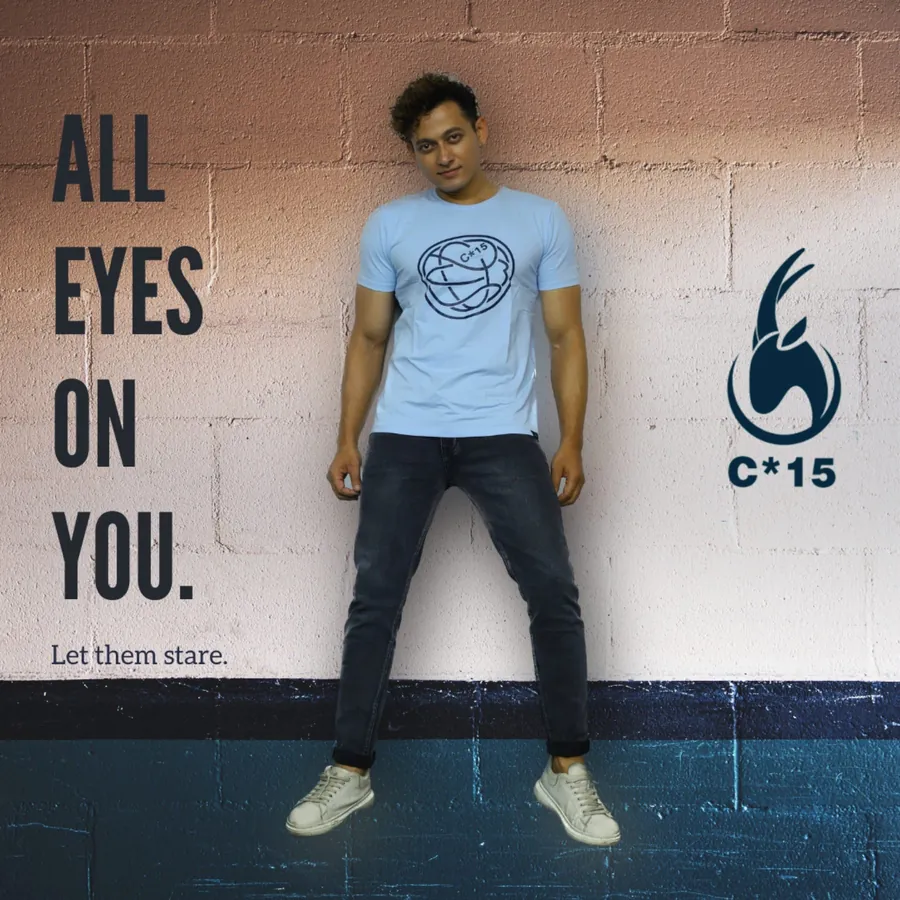
Stand outside Ranjana Mall for an hour on a Saturday and you can watch Nepali men's fashion negotiate with itself in real time: a grandfather in a Dhaka topi, his son in a bank-formal shirt, and his grandson in wide jeans, a boxy tee and sneakers worth more than the other two outfits combined. Kathmandu street style is no longer an imported photocopy, it has developed its own accent, and as a shop that dresses a piece of it daily, we think it deserves writing down.
Where the look comes from
Three currents feed the street. The first is global and digital: K-fashion silhouettes, hip-hop streetwear and football culture arrive on every phone in the city the day they arrive anywhere. The second is the diaspora: brothers and cousins working in Korea, Japan, the Gulf and Australia come home wearing what those streets wear, and New Road absorbs it within a season. The third, the one that makes the look Nepali, is the local layer: heritage details, festival rhythm, motorbike practicality and a climate that demands layering anyway. The result reads global from a distance and local up close, which is exactly the right way around.
The five looks you actually see
1. The wide-leg reset
After a decade of skinny jeans, the silhouette has flipped: relaxed and wide legs, stacked or cropped, worn with boxy tees and chunky sneakers. Our Relaxed fit and the heavyweight box tee exist because this generation asked for them. The balance rule the best-dressed follow: wide below means structured above, a boxy but clean tee, not an equally shapeless hoodie.
2. The football-shirt Saturday
Premier League and national-team shirts are legitimate street fashion in Kathmandu, worn over jeans with genuine styling intent. The elevated version treats the shirt as the statement and quiets everything else: dark straight jeans, plain sneakers, no competing graphics. It's the one-statement rule from our colour guide, applied by instinct.
3. The denim-on-denim revival
A trucker jacket over jeans, once a dad reference, now a deliberate look. The Kathmandu version usually breaks the washes (light jacket, dark jean, or the reverse) and grounds it with a white or black tee. It photographs superbly against the city's brick and temple wood, which the city's Instagram photographers discovered years ago.
4. The heritage remix
The Dhaka topi over a hoodie. A woven scarf against a bomber. Festival days pull this look out in force, and it's the most photographed street style the city produces, foreign street-photography accounts single it out precisely because it exists nowhere else. We covered its rules in the heritage guide: one heritage piece, everything else quiet.
5. The bike-commuter uniform
Function made style: a bomber or shell against dust and drizzle, dark tough jeans, boots or solid sneakers, and a backpack that survives the rack. It's the most honest Kathmandu look because the city's daily physics, dust, rain, distance, designed it. Done in coordinated colours it stands beside any curated outfit on the street.
What makes it Nepali, specifically
- Layering as default: the climate trains every man here to dress in removable pieces; the street style inherits that rhythm.
- Festival punctuation: the wardrobe swings traditional several times a year, keeping heritage garments in living rotation rather than museum storage.
- Practicality with pride: bikes, dust and monsoon keep pure-display dressing rare; the best looks all survive an actual Kathmandu day.
- Value literacy: this street knows exactly what things cost. The flex is increasingly fit and coherence, not logos, a shift we see at the counter every month.
The feeds that shaped the street
None of this happened in a vacuum. Kathmandu's street look is negotiated daily on Instagram and TikTok, where local streetwear pages, thrift-flip accounts and photographers documenting New Road and Durbarmarg have built a visual archive the city now dresses against. The feedback loop is fast: a silhouette lands on a popular local account in spring and reaches our counter as a request by summer, usually as a photo held up on a phone with the words "yesto khalko chha?" The healthy part of this loop is that it's increasingly local men referencing local wearers rather than foreign lookbooks; the style conversation has moved home. The unhealthy part is universal to everywhere: feeds compress a wardrobe into its three loudest outfits. Dress for your week, not your grid.
Doing it on a Nepali budget
Street style's open secret is that its best looks are cheap to assemble and expensive only to signal. The wide-leg reset needs one right-fitting relaxed jean and one heavyweight tee, two purchases. The denim-on-denim look is a jacket you'll wear a decade. The costly trap is chasing sneaker releases; the budget answer the best-dressed young men here already use is one clean pair kept genuinely clean, rotated with the beater pair. Fit, coherence and clean shoes beat logo spend every time it's tested on an actual street.
Borrowing from the street without copying it
For the reader who is not twenty-two: street style's lessons scale to any age. Silhouette awareness (the wide-narrow balance), the one-statement rule, deliberate sneaker choice, and layering with intent all transfer directly into smart-casual dressing. Start with fit you've verified in a mirror, add one element the street taught you, and skip the pieces that need a skateboard to explain. The street's deepest lesson is confidence: every look above is worn by someone who decided on purpose. That part costs nothing.
The rail at Shop B2 stocks both sides of this conversation, the wide fits and box tees, and the quiet staples they're styled against. Come argue with us about which side you're on. And if a phone photo is how a look first reached you, bring it in, half of our best fittings begin exactly there, with a screen held up and a shared idea of what good looks like.
References & further reading
Come try it in person. Everything in this guide is on the rail at Shop B2, Ranjana Mall, New Road, Kathmandu, open daily 10:00 AM – 7:00 PM. Directions and contact.