
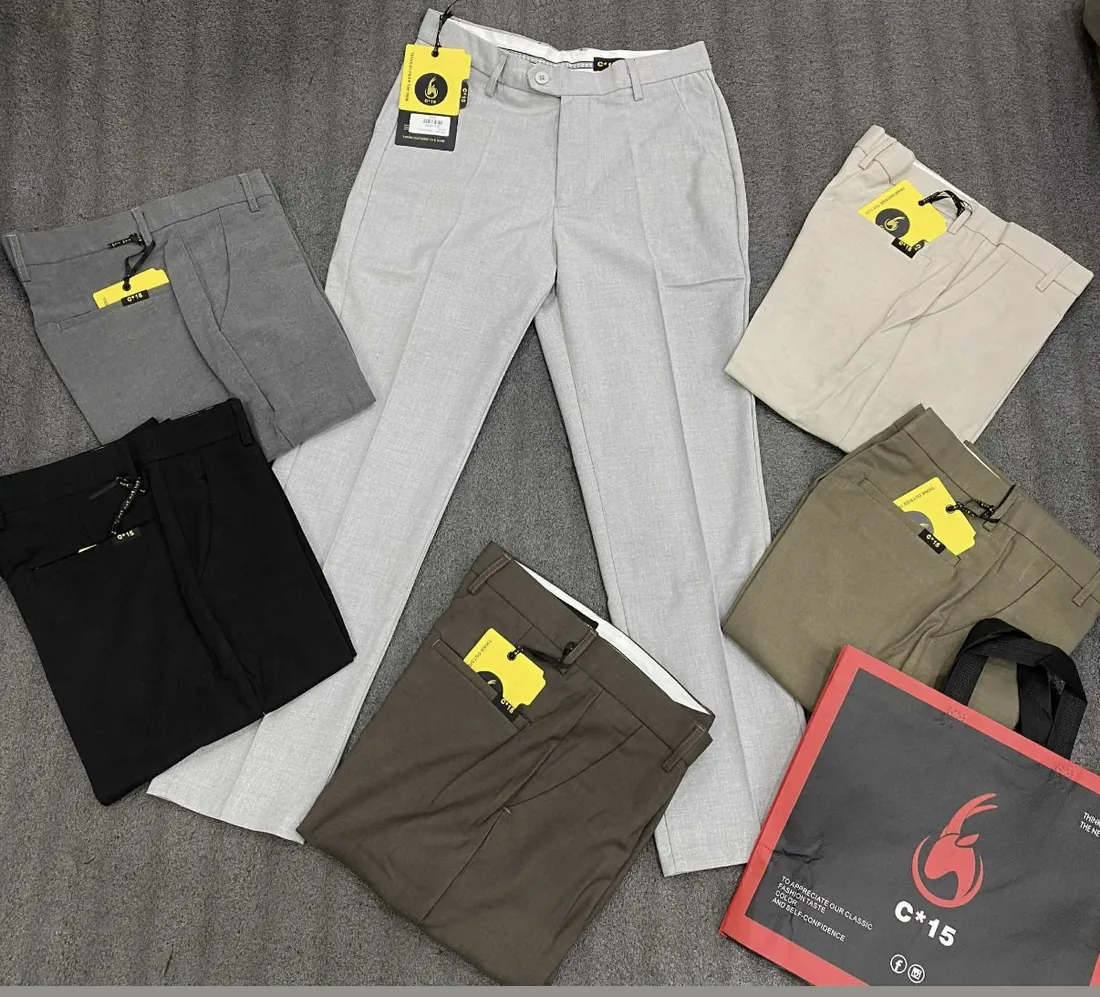
Nepal's working wardrobe has quietly transformed in a decade. The full suit now comes out mainly for weddings, board meetings and politics; the plain t-shirt stays home on client days. Everything in between, the showroom visit, the bank appointment, the NGO workshop, the office that says "smart" without writing a dress code, is business casual. It is the most-worn and least-explained category in Nepali menswear, so here is the working man's version, built from what actually sells and survives at our counter in Ranjana Mall.
What business casual means here, specifically
Western style guides define business casual loosely, no tie, no jeans, jacket optional. Kathmandu practice is both more relaxed and more watchful: dark jeans are widely accepted where light-wash is not, sandals are not accepted anywhere that matters, and people notice grooming and shoe condition more than logo or price. The operating formula we give customers is simple: collar + trouser + clean shoes. A collared shirt or polo, chinos or dark jeans, and footwear that isn't sports trainers. Every good business-casual outfit in this city is a version of that sentence.
Build it from five pieces
You do not need a big wardrobe; you need the right small one. Five pieces cover ninety percent of working days:
- Two solid shirts, one light blue, one white. Light blue photographs better in meetings and hides a long day; white rescues any evening event and sits under every blazer. Between them they answer most mornings. (Our Everyday Solids line exists for exactly this.)
- One dark chino, navy or charcoal. Reads formal from across the room, feels casual at the desk, and irons in a minute. Khaki is the weekend second.
- One pair of dark jeans. A deep-indigo C-15 Straight with no rips and no heavy fading is now office-acceptable across most of Kathmandu's private sector. Light wash and distressing are not, keep those for Saturdays.
- One unstructured blazer. The single fastest upgrade in menswear. Kept on the chair-back, it converts the same shirt-and-chino into meeting wear in ten seconds, and it dresses a wedding-adjacent evening without a full suit.
- One pair of clean leather-look shoes. Loafers or plain derbies in brown or black. Condition matters more than cost: people check.
Reading the room: a Nepali field guide
Banks, government offices, formal clients
Shirt tucked, leather shoes, and add the blazer if you're asking for something, a loan, a licence, a contract. Dark chinos over jeans here; the older the institution, the more traditional the expectations. A tie is rarely required but never wrong at a first meeting.
Tech offices, agencies, showrooms, site visits
Polo or open-collar shirt, chinos or dark jeans, clean sneakers pass. The risk in these rooms is underdressing collapsing into sloppiness: a stretched-collar tee and scuffed trainers read as not-serious even where the dress code allows them. Fit does the work logos can't.
After-work functions, receptions, Dashain visits to senior relatives
Add the blazer, swap the polo for a shirt, and you're covered without going home to change. For festival dressing in full, see our Dashain and Tihar guide.
Climate is part of the dress code
Kathmandu's day can swing fifteen degrees, and monsoon adds sudden rain to the calculation. Business casual that works here is layered: a breathable shirt base, a knit or overshirt mid-layer for winter mornings, and a shell you can carry when the sky turns. Fabric choice matters more than in flatter climates, cotton and cotton-blends breathe through a June afternoon where synthetics glue to your back by ten a.m. We cover the full system in dressing for Kathmandu's climate.
Three mistakes we see weekly
- Too-long sleeves and trousers. "It's my size" is not the same as "it fits." Sleeve breaks at the wrist bone; trousers take one soft fold at the shoe. Alteration costs little, free with purchase at our counter, and changes everything about how expensive an outfit looks.
- Shiny fabrics. Sheen reads as eveningwear or as cheapness, nothing in between. Matte cotton, twill and wool-look weaves photograph better and look more expensive at the same price.
- Tired shoes. The most-checked item in any Nepali meeting room. One brush-and-polish a week keeps the whole outfit honest; a shoe rack by the door doubles shoe life in monsoon.
Grooming and the details that finish the outfit
Business casual is judged at the edges: collar points that lie flat, a belt that matches the shoes in tone, a watch instead of a bare wrist, nails and hair kept. None of this costs money; all of it is noticed, especially across a negotiating table. Two specific details carry outsized weight in Kathmandu offices. First, the undershirt: in summer a thin cotton undershirt keeps a light-coloured shirt opaque and dry, and in winter it quietly replaces a bulky sweater indoors. Second, the bag: a structured backpack or leather-look satchel keeps the whole outfit adult, where a faded free-conference tote undoes it. If your laptop travels with you, spend once on a bag that looks like it belongs in the meeting.
Building the wardrobe on a Nepali budget
The five-piece kit above costs less than most men expect if it's bought as a system rather than in panic before events. Buy the two shirts and trouser first, they carry every day. Add the dark jean in month two, the blazer in month three. Spend the most on whatever touches the eye first: shoes and shirt collar. Spend the least on what nobody inspects: undershirts, socks (matched dark colours bought in bulk), and the second belt. A working man in Kathmandu can assemble the full rotation for the price of one imported branded jacket, and look better than the jacket-owner who wears it over the wrong trousers every day.
The one-paragraph version
Collar, trouser, clean shoes. Own two good shirts, one dark chino, one dark jean, one blazer. Fit everything to your body, keep the shoes alive, and let dark colours carry formality while the cut carries style. That's business casual in Nepal, and it fits in one shopping trip.
If you're outfitting a whole team rather than yourself, we supply matched staff wear at wholesale terms, see business orders.
References & further reading
Come try it in person. Everything in this guide is on the rail at Shop B2, Ranjana Mall, New Road, Kathmandu, open daily 10:00 AM – 7:00 PM. Directions and contact.